
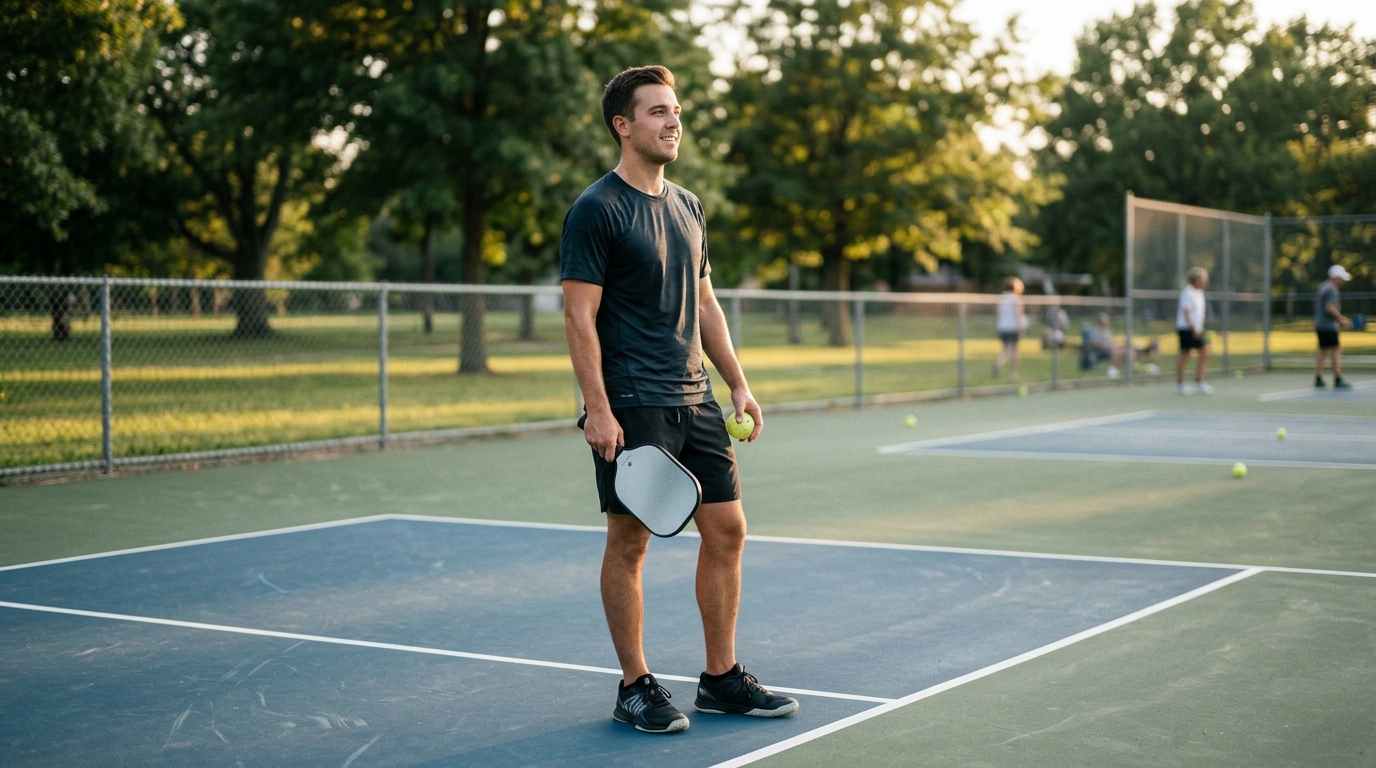
Pickleball has rapidly evolved from a backyard pastime into one of the fastest-growing sports in the United States. According to the Sports & Fitness Industry Association, the number of pickleball players in the U.S. reached 5.9 million in 2023, marking a significant surge in participation. This explosive growth is driven by the sport's accessibility, low barrier to entry, and high social engagement. For newcomers, understanding the fundamentals is critical to enjoying the game and avoiding common pitfalls that lead to frustration. This guide provides the essential knowledge needed to start playing with confidence. (Kate Fahey ndash Godfather)
Essential Equipment for Beginners
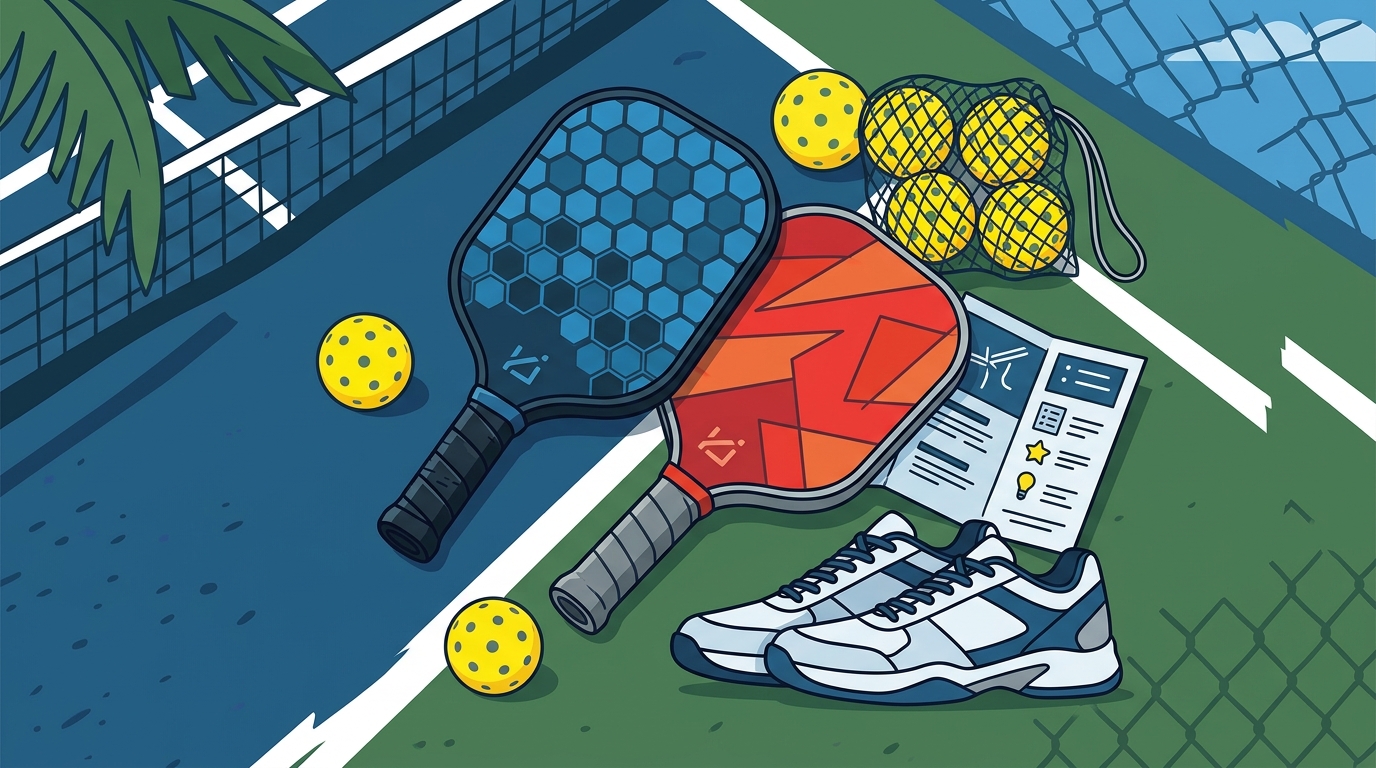
Starting pickleball does not require a massive financial investment, but having the right gear significantly improves the learning curve. The most critical piece of equipment is the paddle. Unlike tennis rackets, pickleball paddles are solid, typically made from composite materials like carbon fiber or fiberglass. Pickleball is a game of control and placement, not just raw power, making paddle selection vital for beginners. (Mari Humberg ndash Godfather)
Choosing the Right Paddle
When selecting a paddle, consider weight, grip size, and material. Lighter paddles (7.2 to 7.8 ounces) are generally easier to maneuver for new players, helping with quick reactions at the net. Heavier paddles offer more power but can cause fatigue. The grip size should match your hand measurements to prevent strain. For those looking for high-performance gear, exploring options like The Godfather Collection provides paddles engineered with professional feedback.
Apparel and Footwear
Proper footwear is non-negotiable. Unlike running shoes, which are designed for forward motion, pickleball requires lateral movement. Court shoes with non-marking soles and reinforced sides provide the necessary stability to prevent ankle injuries. Dressing in moisture-wicking athletic wear ensures comfort during play. You can find specialized men's gear and women's apparel designed for on-court performance.
Other Necessary Gear
Beyond the paddle and shoes, you need pickleball balls. Outdoor balls have more holes and are made of harder plastic to withstand wind and rough surfaces. Indoor balls have fewer holes and are softer. Beginners should start with outdoor balls if playing on asphalt or concrete courts. A bag to carry your gear keeps everything organized and protected.
Court Layout and Boundaries
Understanding the court geometry is the first step to mastering the game. A standard pickleball court is 20 feet wide and 44 feet long, the same dimensions as a doubles badminton court. The court is divided into several key zones, each with specific rules.
The Kitchen (Non-Volley Zone)
The most unique feature of pickleball is the "kitchen," or non-volley zone. This is the seven-foot area on both sides of the net. Players are not allowed to volley (hit the ball out of the air) while standing in this zone. This rule prevents players from camping at the net and smashing every ball, promoting longer rallies and strategic play. If a player's momentum carries them into the kitchen after volleying, it is a fault.
The Service Boxes
The court is divided into left and right service boxes by a centerline. Serves must be hit diagonally into the opposite service box. The serve must land below the waist and be hit underhand. Understanding these boundaries helps players avoid out-of-bounds errors and keeps the game flowing smoothly.
Core Rules and Scoring
Pickleball scoring can be confusing for beginners, but it follows a logical pattern once understood. Games are typically played to 11 points, and you must win by two points. However, the serving rules are where the complexity lies.
The Double Bounce Rule
One of the most important rules for beginners is the double bounce rule. After the serve, the receiving team must let the ball bounce before hitting it back. Then, the serving team must also let the return bounce before hitting it. After these two bounces, the ball can be volleyed or played off the bounce. This rule extends rallies and gives beginners time to get into position.
Scoring and Serving
Only the serving team can score points. If the serving team wins the rally, they score a point and continue serving. If the receiving team wins the rally, they do not score a point but gain the right to serve, a process known as "side-out." In doubles, both players on the starting team get a turn to serve before the serve goes to the opposing team, except in the first game of the match.
Fundamental Techniques
Mastering a few key shots will elevate your game from novice to competent player. Focus on consistency over power.
The Serve
The serve starts every point. Keep it deep and low to push your opponents back. Avoid trying to ace your opponents with a powerful serve. A consistent, deep serve gives you time to move to the net. Practice your pro tips on serving to develop a reliable motion.
The Dink
The dink is a soft shot that lands in the opponent's kitchen. It is the most strategic shot in pickleball. Dinking forces your opponents to hit the ball up, allowing you to attack. Learning to dink consistently is essential for controlling the net. Watch how pro players like Gabe Tardio use dinks to set up winning shots.
The Third Shot Drop
The third shot drop is a critical transition shot. After the serve and return, the serving team must move to the net. The third shot is often a soft drop that lands in the kitchen, allowing the serving team to advance to the net without being attacked. This shot is difficult to master but is vital for doubles play.
Strategy and Positioning
Pickleball is as much a mental game as a physical one. Positioning and communication are key to success.
Move to the Net
The golden rule of pickleball is to get to the net as quickly as possible. The net is the position of power. From the kitchen line, you can volley winners and put pressure on your opponents. Stay back at the baseline only when necessary, such as when defending a deep shot.
Communication in Doubles
In doubles, communication is vital. Call "mine" or "yours" on balls that are unclear. Discuss strategy between points, such as targeting a weaker player or focusing on deep shots. Building a partnership with your teammate enhances your overall performance.
Patience and Consistency
Beginners often try to hit winners from the baseline. Instead, focus on keeping the ball in play. Wait for your opponents to make an error or hit a short ball that you can attack. Patience is a weapon in pickleball. The team that makes the fewest unforced errors usually wins.
Key Takeaways
- Equipment Matters: Invest in a quality paddle and court shoes to improve performance and prevent injury.
- Respect the Kitchen: Never volley from within the seven-foot non-volley zone.
- Double Bounce Rule: Always let the serve and return bounce before hitting the ball.
- Only Servers Score: Points are only awarded to the serving team, making serve retention crucial.
- Get to the Net: Controlling the net gives you the advantage in most rallies.
- Dink Strategically: Use soft shots to control the pace and force errors from opponents.
- Join the Community: Connect with other players through professional networks or local clubs to improve faster.
Frequently Asked Questions
How do I score in pickleball?
Only the serving team can score points. Games are usually played to 11 points, requiring a two-point lead to win. If the receiving team wins the rally, they gain the serve but do not score a point.
What is the kitchen in pickleball?
The kitchen, or non-volley zone, is the seven-foot area on both sides of the net. Players cannot volley the ball while standing in this zone or touching it with their body or paddle.
Can I hit the ball out of the air?
Yes, this is called a volley. However, you cannot volley while standing in the kitchen. You must be behind the non-volley zone line to hit the ball out of the air.
What size paddle should a beginner use?
Beginners should typically use a lighter paddle (7.2 to 7.8 ounces) for better maneuverability. A standard grip size that fits your hand comfortably is also important to prevent strain.
Do I need to be fit to play pickleball?
Pickleball is accessible to all fitness levels. It is less strenuous than tennis but still provides a good workout. Start with short matches and gradually increase your playtime to build endurance.
What is the double bounce rule?
The double bounce rule states that after the serve, the receiving team must let the ball bounce, and then the serving team must also let the return bounce before volleying. This rule ensures longer rallies.
How do I choose between indoor and outdoor balls?
Outdoor balls have 40 holes and are made of harder plastic to withstand wind and rough surfaces. Indoor balls have 26 holes and are softer for use on smooth gym floors.
What is a dink shot?
A dink is a soft, strategic shot that lands in the opponent's kitchen. It is used to control the net and force opponents to hit the ball up, creating opportunities for attack.
Start Your Journey
Now that you understand the basics, it is time to hit the court. Whether you are looking for high-performance paddles, professional apparel, or expert advice, Godfather Pickleball is your destination. Explore our collection and join the community of players who demand the best. Book a demo or shop now to elevate your game.