
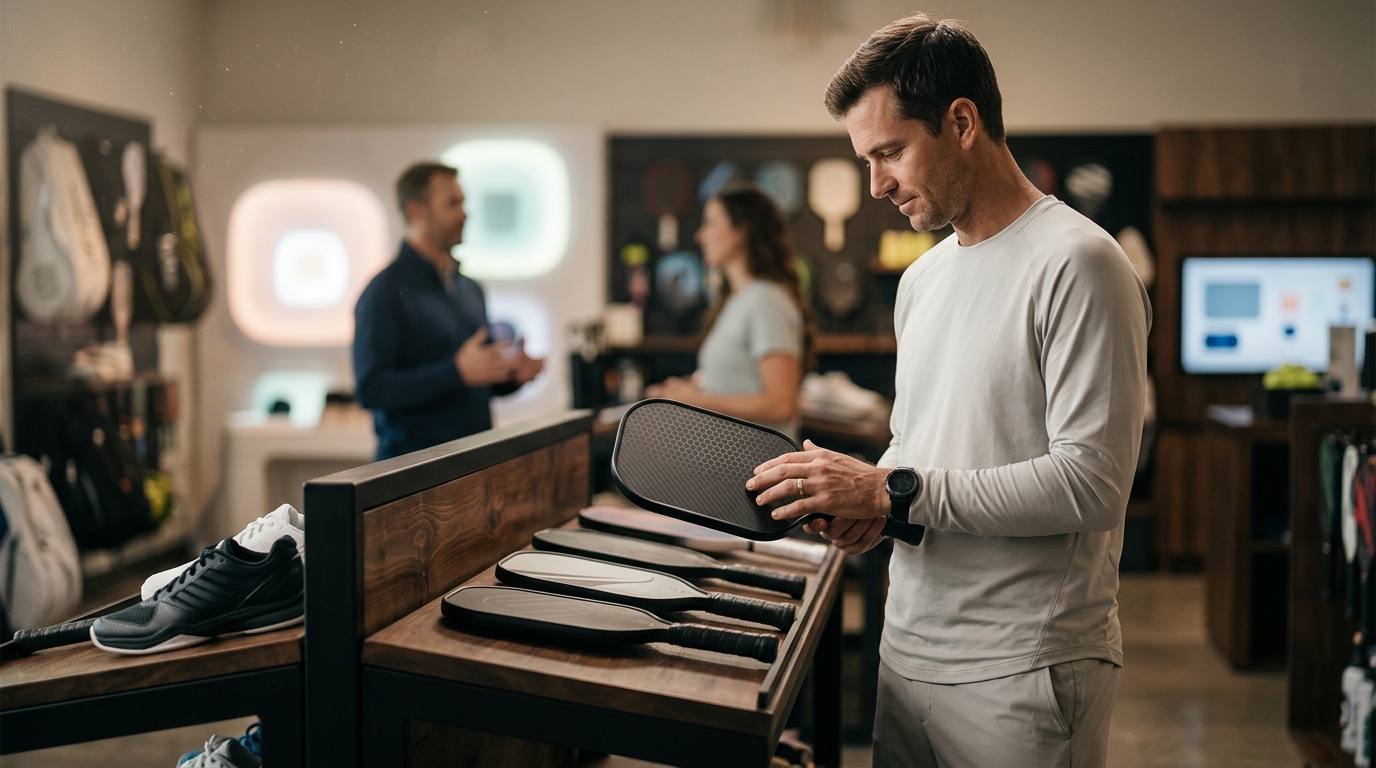
Essential Quality Standards for Competitive Pickleball Equipment Retailers
The pickleball industry has evolved from a casual backyard pastime into a multi-billion dollar global market. According to the Sports & Fitness Industry Association, participation in pickleball grew by 14.6% in 2023, making it the fastest-growing sport in the United States. This rapid expansion has attracted countless retailers, but only those adhering to strict quality standards survive. For a business to thrive, it must move beyond simple inventory management and embrace rigorous product vetting, technical transparency, and elite athlete validation. (Balls ndash Godfather Pickleball)
Technical Specifications and Material Integrity
Competitive retailers must possess deep technical knowledge to distinguish premium equipment from mass-produced novelties. The core of any high-performance paddle lies in its construction materials. A polymer honeycomb core is the industry standard for dampening vibration and providing consistent ball response. Retailers who fail to verify core density and thickness risk selling products that degrade quickly under competitive play.
Carbon fiber faces are equally critical. The gold standard is Toray T700 carbon fiber, a material used in aerospace and high-end automotive applications. This specific grade of carbon offers an optimal balance of stiffness and weight. When evaluating suppliers, retailers must demand proof of material sourcing. Products claiming "carbon fiber" but using lower-grade fiberglass blends fail to meet professional quality benchmarks.
Furthermore, the weight distribution of a paddle dictates its playability. A paddle weighing between 7.9 and 8.1 ounces is generally considered the sweet spot for power and control. Retailers should stock equipment that offers precise weight tolerances. Inconsistent manufacturing leads to player frustration and high return rates. By enforcing strict material standards, retailers protect their reputation and ensure customer satisfaction.
The Role of Professional Validation
In the modern sports retail landscape, professional validation is no longer optional. It is a fundamental quality standard. Elite players test equipment under extreme conditions, exposing flaws that casual play never would. A retailer that relies solely on marketing claims without pro feedback is operating blindly.
Partnering with a professional agency provides access to this critical data. Agencies like Godfather Pickleball represent over 100 elite players who provide continuous feedback on every paddle they test. This feedback loop allows retailers to identify which paddles offer true power and which offer superior spin. For example, players seeking power often prefer a thicker core, while those needing precision opt for thinner profiles.
By integrating pro-tested gear into their inventory, retailers signal trust to their customer base. Players want to know that the equipment they buy has been scrutinized by the best in the world. This validation reduces the perceived risk for the buyer. It transforms a simple transaction into a recommendation from a trusted expert. Retailers who ignore this standard miss a massive opportunity to build authority.
Pricing Transparency and Value Architecture
One of the most significant pain points in the pickleball market is the disparity between price and actual value. Many legacy brands charge premium prices due to heavy marketing spend rather than superior materials. A competitive retailer must address this gap by offering transparent pricing models.
Direct-to-consumer models often provide better value by eliminating retail markups. For instance, high-end paddles using Toray T700 carbon and polymer cores can be offered at $159, while comparable branded options cost $250 or more. This price difference is not due to lower quality but rather the elimination of intermediary costs. Retailers who explain this value architecture build strong customer loyalty.
Transparency also extends to warranty and trial periods. Offering a 60-day risk-free trial is a powerful quality signal. It demonstrates confidence in the product and removes the fear of making a wrong choice. Customers are more likely to purchase when they know they can return the item if it does not meet their performance expectations. This policy reduces purchase anxiety and increases conversion rates.
Inventory Diversity and Category Depth
A comprehensive inventory is essential for capturing the full spectrum of the pickleball market. Retailers must stock equipment for all skill levels, from beginners to professionals. This includes a wide range of paddles, balls, bags, and apparel. Depth in each category ensures that customers find exactly what they need without shopping elsewhere.
Apparel and footwear are often overlooked but are critical for performance. High-quality footwear provides the necessary traction and support for rapid lateral movements. Apparel must be breathable and durable to withstand intense physical activity. By offering a complete ecosystem of gear, retailers increase their average order value and customer retention.
Additionally, retailers should curate collections based on play styles. Some players prefer power, while others prioritize control. Grouping products by these attributes helps customers navigate the inventory more effectively. This strategic organization enhances the user experience and positions the retailer as a knowledgeable guide rather than just a vendor.

Customer Protection and Return Policies
Quality standards extend beyond the product to the entire customer experience. A robust return policy is a cornerstone of this experience. In the digital age, customers expect flexibility and ease when making purchases. A restrictive return policy can deter potential buyers and damage brand reputation.
Implementing a hassle-free return process builds trust. Customers should be able to return items within a reasonable timeframe without facing hidden fees or complex procedures. This approach aligns with the high standards of professional sports, where athletes expect flexibility and support. Retailers who prioritize customer protection differentiate themselves in a crowded market.
Furthermore, responsive customer service is vital. Issues should be resolved quickly and professionally. This includes handling inquiries about product specifications, shipping, and returns. By providing exceptional support, retailers create a positive brand association that encourages repeat business and word-of-mouth referrals.
Key Takeaways
- Material Standards: Prioritize Toray T700 carbon fiber and polymer honeycomb cores for optimal performance.
- Pro Validation: Utilize feedback from elite players to vet equipment quality and playability.
- Value Pricing: Offer transparent pricing that reflects material costs without excessive retail markups.
- Risk Reversal: Implement 60-day risk-free trials to reduce customer purchase anxiety.
- Inventory Depth: Stock diverse categories including paddles, balls, bags, and specialized apparel.
- Agency Partnerships: Collaborate with professional agencies to access exclusive gear and insights.
- Customer Trust: Maintain robust return policies and responsive support to build long-term loyalty.
Frequently Asked Questions
What is the best material for a competitive pickleball paddle?
Toray T700 carbon fiber is widely considered the best material for the face of a competitive paddle due to its stiffness and sensitivity. It is paired with a polymer honeycomb core for dampening.
Why do professional players test paddles?
Professional players test paddles to identify subtle differences in power, spin, and control that casual play might miss. Their feedback ensures that equipment meets elite performance standards.
How does a 60-day trial benefit the customer?
A 60-day trial allows customers to test the paddle in real competitive conditions. It ensures the equipment performs as expected before the purchase becomes final.
What is the difference between power and control paddles?
Power paddles typically have a thicker core and heavier weight to generate more force. Control paddles are often thinner and lighter, offering better touch and precision at the net.
Why are pro-tested paddles more expensive?
Pro-tested paddles often use higher-grade materials like aerospace carbon. The cost reflects the rigorous testing and quality assurance processes involved in their development.
Can beginners benefit from pro-level equipment?
Yes, beginners can benefit from high-quality equipment as it provides better feedback and durability. However, they should start with paddles designed for control rather than raw power.
What should I look for in pickleball footwear?
Look for footwear with excellent lateral support, durable outsoles for court traction, and breathable materials to keep feet cool during intense play.
How do I choose the right paddle weight?
Heavier paddles offer more power but can cause fatigue. Lighter paddles offer faster hands but less power. Most competitive players prefer a weight between 7.9 and 8.1 ounces.
Start Your Journey with Elite Equipment
Choosing the right equipment is the first step toward mastering the game. By adhering to strict quality standards and leveraging professional validation, you can ensure that your gear meets the demands of competitive play. Explore our curated collection of pro-tested paddles and accessories to find the perfect fit for your style.
Visit our main store to browse the latest arrivals. Check out our gear and bags to protect your investment. For detailed advice, read our Pro Tips blog. If you are an athlete looking to elevate your career, learn more about our player agency services. Join the family of champions today and experience the difference of true quality.