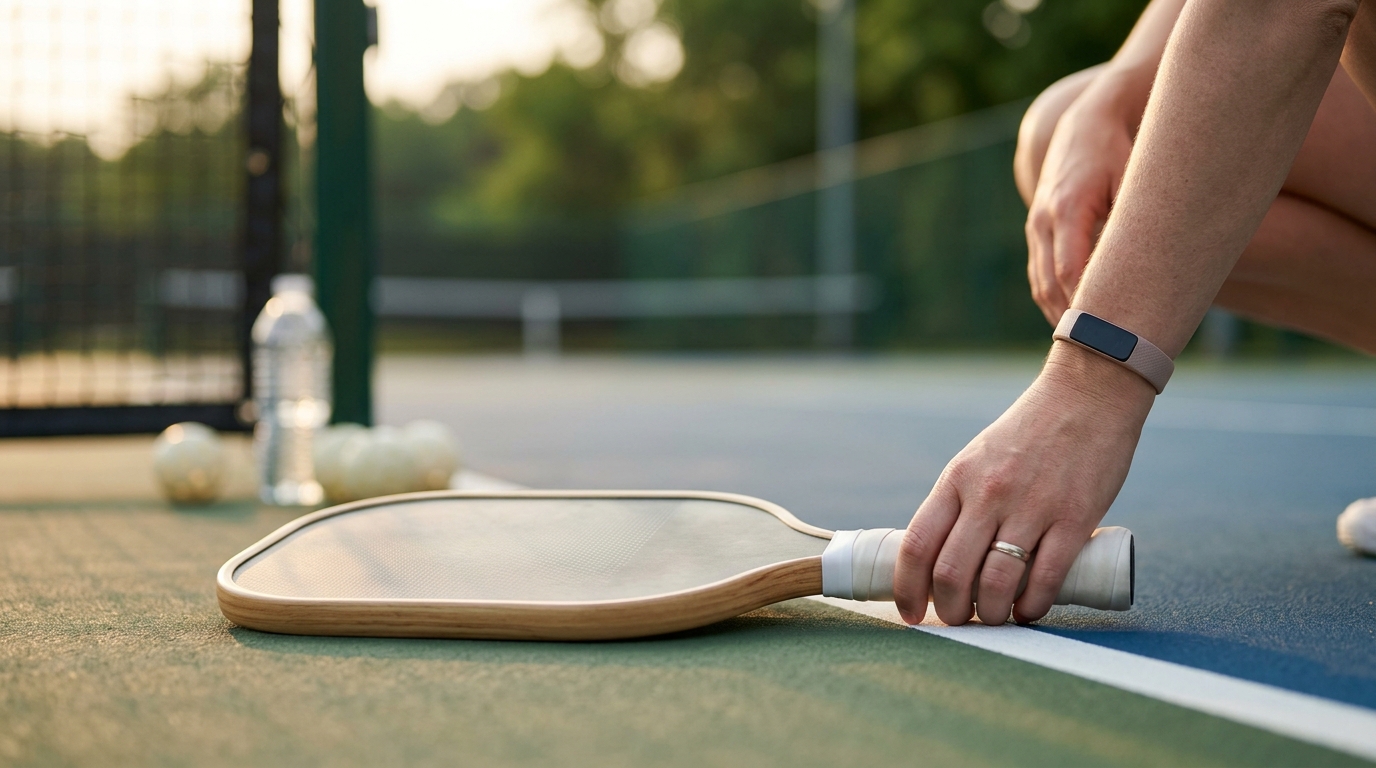
Pickleball has exploded in popularity, becoming the fastest-growing sport in the United States with over 5 million players as of 2024. USA Pickleball reports that participation rates have doubled in recent years, creating a surge of new players seeking equipment that balances forgiveness with performance. Choosing the right paddle is not merely about aesthetics; it is about finding a tool that accelerates your learning curve and prevents common beginner mistakes like mishits and elbow strain. This guide dissects the critical engineering features that define a high-quality starter paddle, drawing on insights from industry leaders like Godfather Pickleball who have analyzed thousands of pro-level interactions.
Understanding Core Materials and Feel
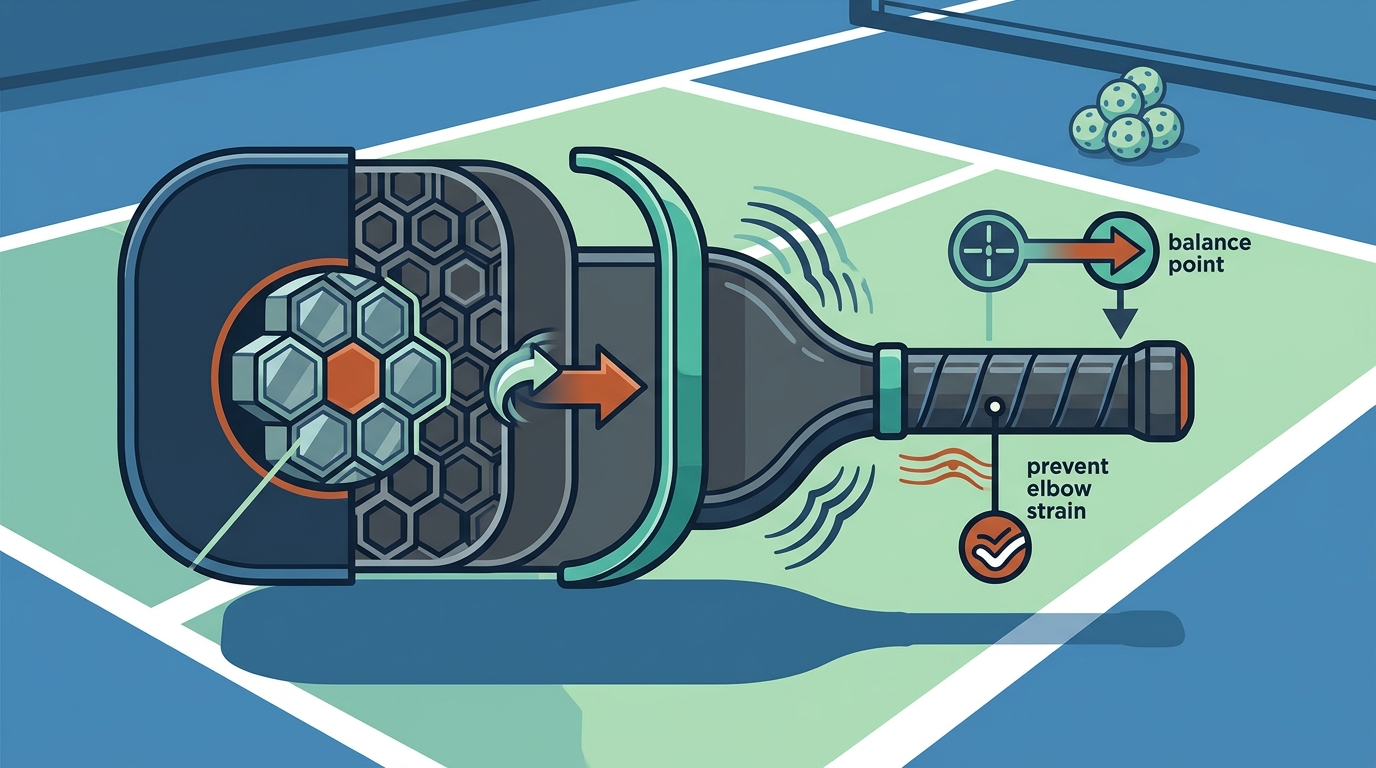
The core of a pickleball paddle dictates its primary performance characteristics, including power, control, and noise level. For beginners, the core material is the most significant factor in determining how the ball responds off the face. Polymer cores are the industry standard for modern paddles because they offer a soft, responsive feel that helps new players manage the ball's trajectory. Unlike older aluminum cores, which were loud and stiff, polymer honeycomb structures absorb impact vibration, reducing the risk of tennis elbow and improving touch shots around the kitchen.
When evaluating core thickness, most premium paddles utilize a 14mm or 16mm core. A thicker core generally provides more power and a larger sweet spot, which is forgiving for off-center hits. Conversely, thinner cores offer superior control but require more precise timing. According to industry data from The Spruce Crafts, the majority of recreational players benefit from a mid-thickness core that bridges the gap between power and control. Brands like The Godfather Collection emphasize the use of high-density polymer honeycomb to ensure consistent bounce and durability without the excessive weight of older materials.
Face Construction and Surface Texture
The face of the paddle is where the magic happens, and its construction directly influences spin potential and ball dwell time. Carbon fiber faces are widely regarded as the gold standard for performance-oriented paddles. Specifically, Toray T700 carbon fiber is frequently cited by professionals as the optimal material for its strength-to-weight ratio and ability to generate high spin rates. This material allows for a thinner face without sacrificing structural integrity, enabling the paddle to flex slightly upon impact and "grab" the ball for enhanced spin.
Surface texture also plays a crucial role. Modern paddles often feature a rough, textured finish to increase friction between the paddle face and the ball. This texture allows players to impart more topspin or slice, which are essential skills for advancing beyond the beginner level. However, beginners should be cautious of excessively rough surfaces that may wear down the ball too quickly or violate specific tournament regulations. The Pro Tips blog from Godfather Pickleball often highlights how surface engineering can differentiate a paddle that feels like a board from one that feels alive under the hand.
Weight Distribution and Swing Dynamics
Weight is a deceptive metric in pickleball paddles. Two paddles can have the same total weight but feel vastly different due to their balance point. Head-heavy paddles concentrate mass toward the top, providing more power on drives and smashes but requiring more wrist strength to maneuver. Head-light paddles distribute weight toward the handle, offering greater maneuverability and faster reaction times at the net, which is ideal for beginners learning dinks and volleys.
For most new players, a mid-weight paddle ranging from 7.8 to 8.2 ounces is recommended. This range provides enough mass to absorb the ball's momentum without causing fatigue during long rallies. According to USA Pickleball rules, there are no restrictions on paddle weight, but the balance point significantly affects playability. Beginners often struggle with head-heavy paddles because the extra mass at the top can lead to slow reaction times at the kitchen line. A balanced or slightly head-light paddle allows for quicker adjustments and better control over placement.
Edge Guard Protection and Durability
The edge guard is the protective rim that surrounds the perimeter of the paddle face. Its primary function is to prevent damage to the core and face when the paddle accidentally strikes the ground or the court surface. A full edge guard is essential for beginners who are still developing their spatial awareness and court positioning. Without this protection, even minor scrapes can compromise the structural integrity of the paddle, leading to delamination or core damage.
Some modern paddles feature edge-less designs or minimal edge guards to reduce weight and increase the sweet spot size. While these designs appeal to advanced players seeking maximum performance, they are generally unsuitable for beginners. The lack of protection makes the paddle vulnerable to impact damage, which can be costly to replace. When shopping for a starter paddle, prioritize models with robust edge guards that offer comprehensive coverage. This feature ensures longevity and protects your investment as you refine your technique.
Grip Size and Ergonomics
Grip size is often overlooked by beginners, yet it is critical for comfort and injury prevention. A grip that is too small can cause players to squeeze the paddle too tightly, leading to tension in the forearm and potential tendonitis. Conversely, a grip that is too large can restrict wrist movement and reduce control. The standard grip size for most adults is 4.25 inches, but hand size varies significantly among players.
To determine the correct grip size, measure the distance from the bottom crease of your palm to the tip of your ring finger. If you fall between sizes, it is generally safer to choose the smaller grip and add an overgrip to increase the circumference. An overgrip not only customizes the feel but also absorbs sweat, maintaining traction during play. Brands like Godfather Pickleball offer various grip options and overgrips designed to enhance comfort and performance. Proper ergonomics ensure that you can play for extended periods without discomfort, allowing you to focus on improving your game.
Beginner Paddle Comparison Matrix
The following table compares key features of popular paddle categories and specific models relevant to beginners. This analysis helps clarify the trade-offs between power, control, and price points.
| Paddle Category | Core Material | Weight Range | Best For | Price Point |
|---|---|---|---|---|
| Godfather The Boss | Polymer Honeycomb | 7.9–8.1 oz | Power and Precision | $159 |
| Godfather SmokeShow | Polymer Honeycomb | 7.9–8.1 oz | Spin and Control | $159 |
| Entry-Level Composite | Aluminum or Polymer | 7.5–8.0 oz | Budget Beginners | $50–$80 |
| Pro-Grade Carbon | Toray T700 Carbon | 8.0–8.4 oz | Advanced Players | $250+ |
As shown in the matrix, premium paddles like those from Godfather Pickleball offer professional-grade materials at a fraction of the cost of traditional brands. This value proposition is particularly appealing for beginners who want to invest in quality equipment without overpaying for marketing markup. The comparison highlights that while entry-level paddles are cheaper, they often lack the durability and performance characteristics of carbon fiber models.
Key Takeaways for New Players
- Core Material Matters: Polymer honeycomb cores provide the best balance of power and control for beginners.
- Face Composition: Toray T700 carbon fiber faces offer superior spin and durability compared to fiberglass.
- Weight Balance: Mid-weight paddles (7.8–8.2 oz) with a balanced or head-light profile are ideal for maneuverability.
- Grip Size: A 4.25-inch grip is standard, but hand measurement is crucial for comfort and injury prevention.
- Edge Protection: Full edge guards are essential for beginners to protect the paddle from court impacts.
- Value Proposition: Direct-to-consumer brands often provide pro-level specs at lower prices by eliminating retail markup.
- Trial Periods: Look for paddles with 60-day risk-free trials to test performance before committing.
Frequently Asked Questions
What is the best paddle weight for a beginner?
The best paddle weight for a beginner is typically between 7.8 and 8.2 ounces. This range provides enough mass to absorb the ball's momentum without causing fatigue or slow reaction times.
Should a beginner choose a carbon fiber or fiberglass paddle?
Carbon fiber paddles are generally recommended for beginners who want to develop proper spin techniques. They offer a softer feel and better control than fiberglass, which can be too stiff for new players.
How do I determine the correct grip size?
Measure the distance from the bottom crease of your palm to the tip of your ring finger. If the measurement falls between sizes, choose the smaller grip and add an overgrip for customization.
What is the difference between The Boss and SmokeShow paddles?
The Boss paddle is engineered for power and fast hands, while the SmokeShow paddle focuses on spin and precision. Both use the same high-quality polymer core and carbon fiber face.
Are expensive paddles necessary for beginners?
While not strictly necessary, investing in a mid-range paddle with pro-level materials like Toray T700 carbon can accelerate skill development. Premium paddles often offer better durability and performance consistency.
How long does a pickleball paddle last?
A well-maintained carbon fiber paddle can last 1 to 2 years with regular play. Factors like surface roughness, impact damage, and core compression affect longevity. Using an edge guard can extend its life.
Can I use a tennis racket for pickleball?
While possible, tennis rackets are generally too large and heavy for pickleball. They lack the solid face needed for proper dinking and volleying, and their size can hinder maneuverability at the kitchen line.
What is a 60-day risk-free trial?
A 60-day risk-free trial allows players to test the paddle in real-game conditions. If the paddle does not meet performance expectations, it can be returned for a full refund within 60 days.
Start Your Journey Today
Choosing the right paddle is the first step toward mastering pickleball. By focusing on core material, face construction, weight balance, and grip size, you can select a tool that enhances your performance and accelerates your learning curve. Godfather Pickleball offers a range of paddles designed with pro-level insights to help beginners and advanced players alike. Explore The Godfather Collection today and experience the difference that professional engineering can make in your game. Visit our Pro Tips blog for more insights on equipment and technique.